
Hormones
Testosterone, FSH, LH, estradiol and prolactin control sperm production. An imbalance can lower count and quality.

 100% private · Subang Jaya & Kota Bharu
Male fertility treatment starts with clear answers. We find out exactly what is affecting your sperm count, movement and quality, then build a doctor-led plan to improve it, with semen analysis, hormone tests and targeted treatment, step by step with you and your partner.


Male fertility is a man's ability to start a pregnancy with his partner. It depends on making enough healthy sperm that swim well, which in turn depends on hormones, weight, heat, habits and general health. Male fertility treatment finds which of these is holding you back and works to improve it.
Fertility is a couple's journey, and men are part of the answer in about half of cases. At SuamiSihat Clinic a licensed men's health doctor starts with a semen analysis and a hormone profile, explains the results in plain words and builds a clear plan with you.
Most causes are measurable, and many are treatable. Your assessment looks at all four.
Testosterone, FSH, LH, estradiol and prolactin control sperm production. An imbalance can lower count and quality.
Extra weight, high blood sugar and poor metabolic health are linked with lower sperm counts.
Smoking, alcohol, hot baths, saunas, laptops on the lap and poor sleep can all reduce sperm quality.
Past infections, mumps, a varicocele, medicines or steroid use can affect fertility and are worth checking.
Four parts of one assessment, so treatment is based on facts instead of guesses.
Your doctor reviews your reproductive history, lifestyle, sexual health, stress and medical background in private.
Sperm count, movement and shape are checked against WHO reference values, usually with results the same day.
Blood tests for testosterone, LH, FSH, estradiol and prolactin show how well your system is signalling sperm production.
HbA1c and homocysteine screening check blood sugar and wider health, which also affect sperm.
Your doctor tailors the plan to your results. Most plans combine more than one of these.
Practical changes to weight, sleep, exercise, heat, smoking and alcohol, built around your routine.
Doctor-chosen antioxidants and nutrients such as zinc and selenium, taken over at least one sperm cycle.
Correcting hormone imbalances with fertility-friendly options, and IV nutrient support where it helps.
Your doctor will advise you at your consultation. These are the general guidelines.
Five steps from your first private chat to a measured improvement. Tap each step for details.
Your doctor reviews your reproductive history, lifestyle, sexual health, stress levels and medical background to spot what may be affecting sperm quality.
A semen analysis checks sperm count, movement and shape. A hormone profile checks testosterone, LH, FSH, estradiol, prolactin and more. All follow standard medical guidelines.
Your doctor explains clearly whether the issue is low count, weak movement, abnormal shape, a hormone imbalance, inflammation or something else.
Your plan may include fertility supplements and antioxidants, hormone correction, lifestyle changes (sleep, exercise, diet) and support for gut health or inflammation.
Because sperm take 72 to 90 days to form, a follow-up semen analysis measures your improvement and the plan is refined.
Sperm are made in cycles of about three months, so results are measured over months, not days.
Consultation, semen analysis and blood tests. Most results are explained within days.
Lifestyle changes, supplements or hormone care work on the next batch of sperm.
A repeat semen analysis shows how far count and movement have improved.
Reviews every 8 to 12 weeks keep the plan on track until you and your partner reach your goal.
Results vary between individuals. Your doctor will also tell you if a fertility specialist or IVF clinic would help.
Each one answers a different part of the fertility question.
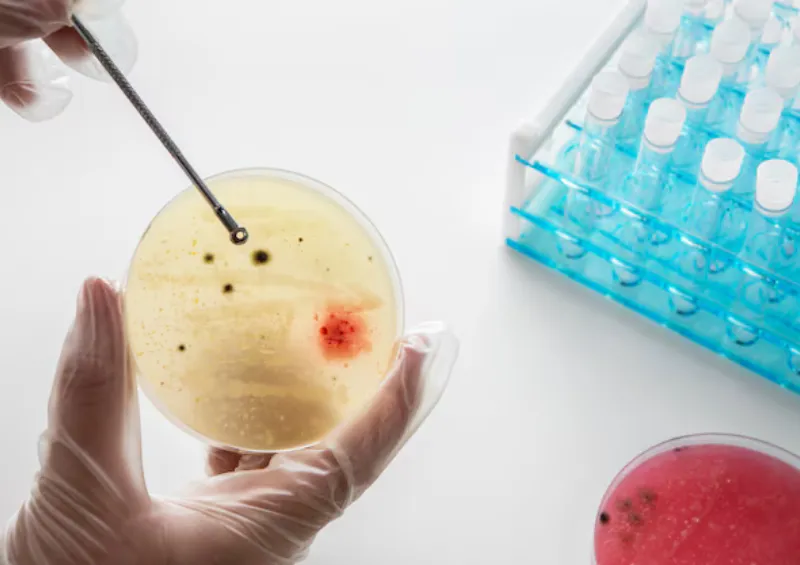
The essential first test: sperm count, movement and shape against WHO values.
Learn more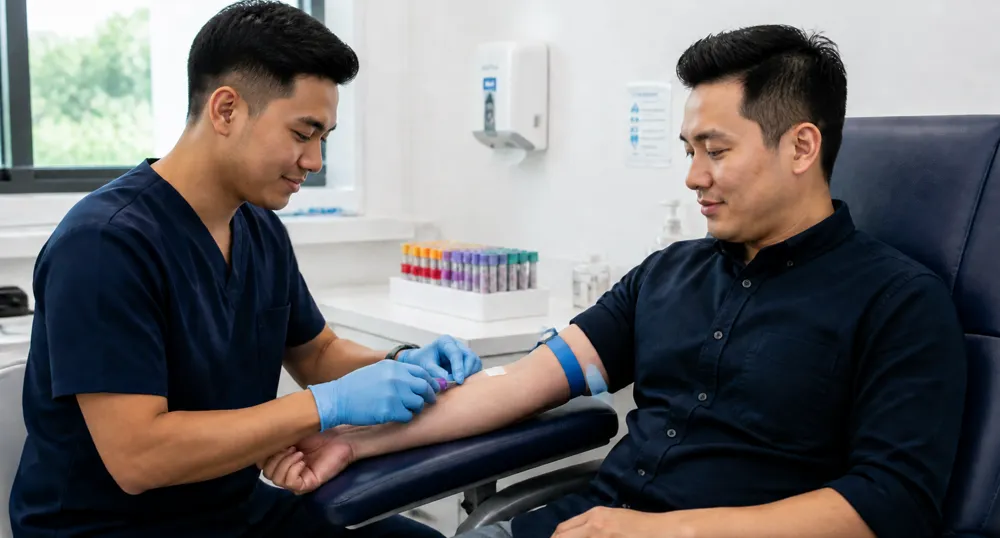
Hormones, sugar, thyroid and other markers that affect sperm production.
Learn more
Doctor-chosen nutrients that support healthy sperm over a three month cycle.
Learn more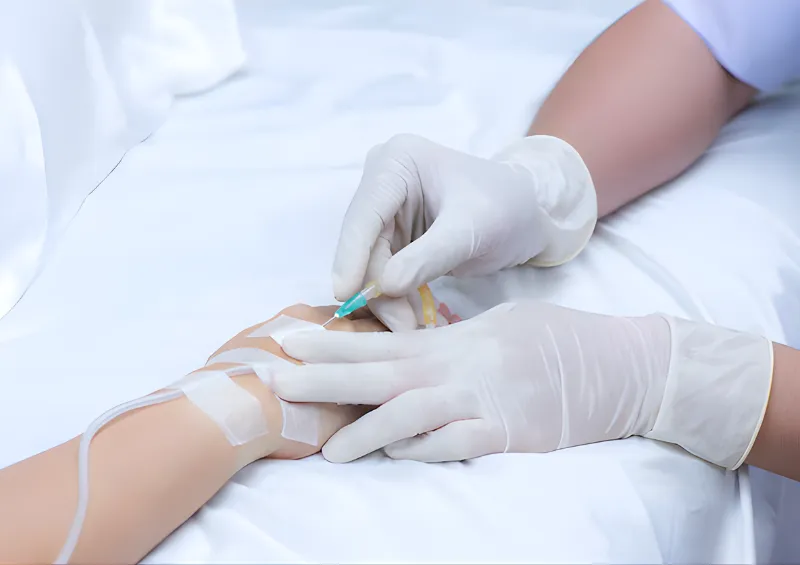
Hydration and nutrients for energy and recovery alongside your plan.
Learn moreMale fertility is well studied. These findings shape every male fertility treatment plan we build.
Infertility affects about 15% of couples worldwide. Men are the only cause in 20 to 30% of cases and contribute to about half overall.
View on PubMedIn 13,077 men, being overweight or obese raised the odds of a low or zero sperm count, and severe obesity doubled them.
View on PubMedAntioxidant supplements may increase live birth rates for couples with male subfertility, though the evidence is still low quality.
View on PubMedNo single pill fixes fertility. That is why we test first, treat the actual cause and measure progress with a repeat semen analysis.
Experienced men's health doctors and performance specialists delivering structured, science-driven care for your health, confidence and marriage.




Real words from real clients at our Subang Jaya and Kota Bharu clinics.
Articles written and reviewed by our men's health team.
Two private clinics, open every day. Book your slot in advance for complete privacy and no waiting time. Booking is free.
Interactive map. Drag to tilt, tap a branch to explore.
Serving KL, Petaling Jaya, Shah Alam and Klang
Open dailyServing Kelantan and Terengganu
Open dailyStill unsure? Message us privately and a team member will reply.
Ask on WhatsAppA detailed semen analysis of sperm count, movement and shape, plus a full blood test including a hormone profile (testosterone, LH, FSH, estradiol, prolactin) and metabolic checks such as HbA1c.
Yes. Hormone imbalances can significantly affect sperm production, so hormone levels are checked as part of every fertility assessment.
Drawing blood takes about 5 minutes. The semen sample is collected separately in a private room.
They can, when an imbalance is found. Your doctor chooses fertility-friendly options, because standard testosterone therapy lowers your own sperm production.
Zinc and selenium support sperm count and movement, and antioxidants help protect sperm DNA from oxidative damage. Your doctor recommends what fits your results.
Sperm take about 72 to 90 days to form, so a repeat semen analysis after about three months shows how far your results have improved.
Often, yes. Weight, heat, smoking, alcohol, sleep and stress all affect sperm. Severe obesity, for example, doubles the odds of a low sperm count.
Yes. Men are part of the answer in about half of cases, and male tests are quick and simple. Testing both partners early saves time and stress.
Completely. Consultations are one to one, samples are collected alone in a private room and results are seen only by you and your doctor.
If your results show a severe problem, or you have been trying for a long time, your doctor will tell you honestly and can guide you to a fertility specialist.
SuamiSihat Clinic offers male fertility assessment and treatment at two private clinics, in Subang Jaya (serving KL, Petaling Jaya, Shah Alam and Klang) and in Kota Bharu (serving Kelantan and Terengganu). Both are open daily.
Book your free assessment online or message us on WhatsApp. Choose Subang Jaya or Kota Bharu, both open daily.
Start with one private, no-obligation assessment with our men's health doctor. Clear answers first, then a plan that fits you and your partner.
Start free assessment