
- Treatment should target the underlying cause, not simply a laboratory number
- Proper diagnosis requires symptoms, medical history and appropriately timed blood tests
- Testosterone, thyroid hormones, prolactin & metabolic health can influence men's wellbeing
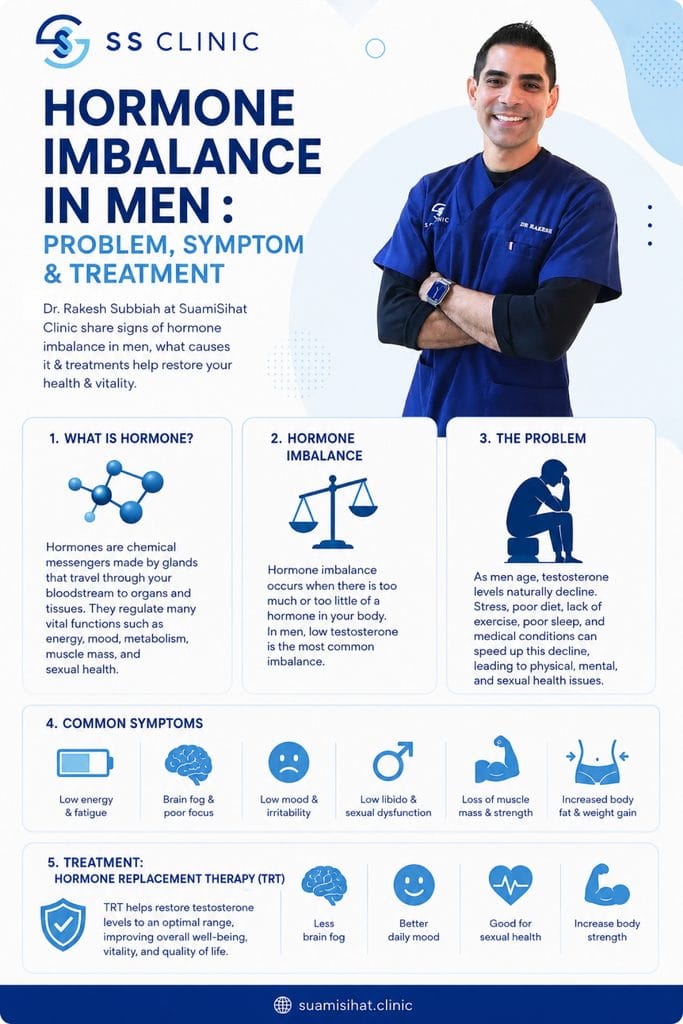
- Hormone imbalance means abnormal or disrupted hormone production, signalling or regulation
- Symptoms may include low libido, fatigue, erectile problems, mood changes & fertility concerns
What Is Hormone Imbalance in Men?
“Hormone imbalance” is a broad term rather than one specific diagnosis. In men, hormones are chemical messengers that regulate sexual function, fertility, metabolism, mood, muscle and bone health.
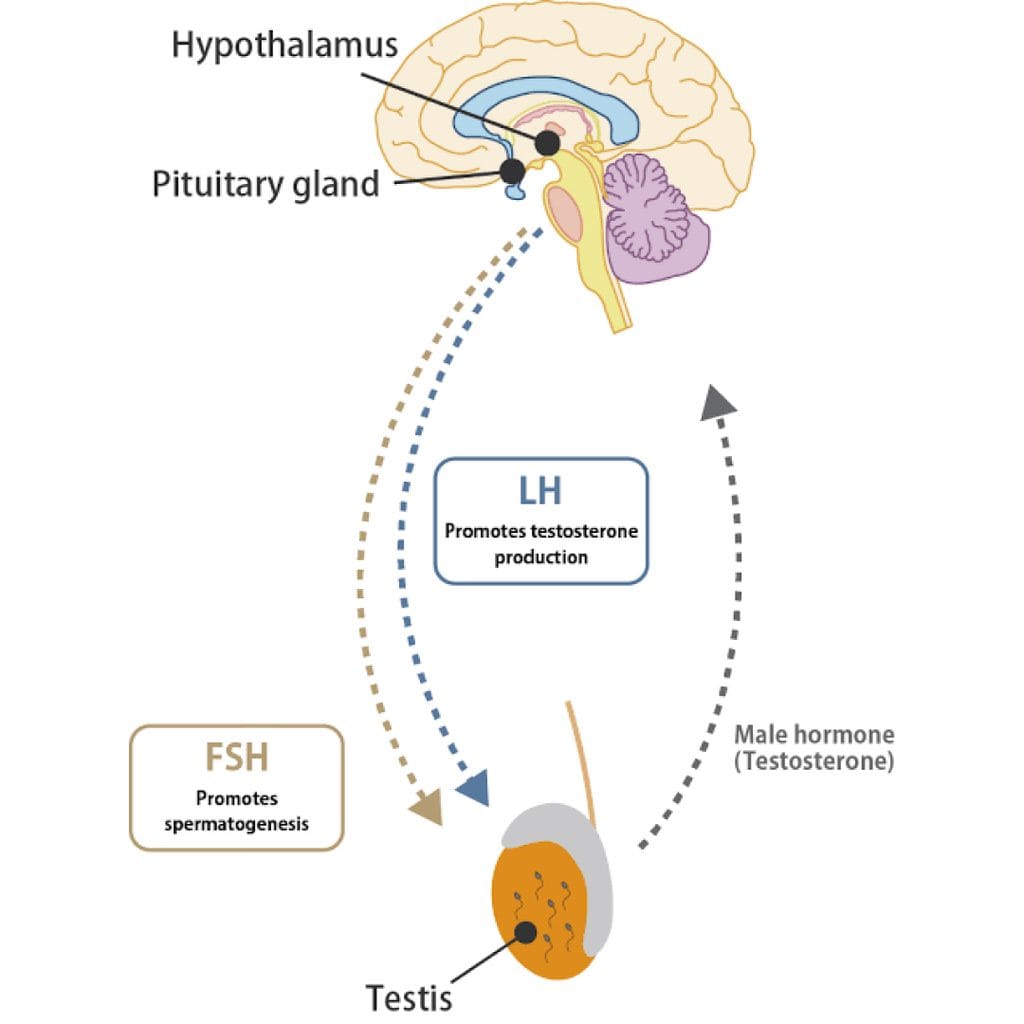
The hormone most commonly associated with male sexual health is testosterone, an androgen produced mainly by the testes. Testosterone supports libido, erectile function, muscle and bone maintenance and sperm production.
Hypogonadism means inadequate testosterone production associated with clinical symptoms or signs. It can be primary, where the testes are affected, or secondary, where the hypothalamus or pituitary fails to stimulate the testes appropriately. The Endocrine Society recommends diagnosing hypogonadism only when compatible symptoms or signs are present together with consistently low testosterone.
Hormone imbalance can also involve prolactin, thyroid hormones, sex hormone-binding globulin (SHBG), oestradiol and other endocrine pathways. This is why one abnormal blood result does not automatically mean a man needs testosterone replacement.
Read : Men’s Health Screening Guide for Malaysian Men (Doctor Review)
Symptoms of Hormone Imbalance in Men
Symptoms vary according to the hormone involved, age, medical conditions and duration of the problem.
Common symptoms associated with testosterone deficiency include:
- Reduced sexual desire or libido
- Fewer spontaneous or morning erections
- Erectile dysfunction
- Persistent fatigue or reduced energy
- Reduced motivation
- Low mood or irritability
- Reduced physical strength or muscle mass
- Increased body fat
- Difficulty concentrating
- Reduced sexual activity
- Fertility difficulties
The EAU identifies reduced libido, erectile dysfunction and decreased spontaneous or morning erections as relatively specific sexual symptoms associated with male hypogonadism, while fatigue, low mood, reduced motivation and sleep disturbances can also occur.
Importantly, these symptoms are not specific to low testosterone. Poor sleep, obesity, diabetes, depression, medication effects and chronic illness can produce similar complaints.

Common Problems Linked to Hormone Imbalance
1. Low Testosterone
Low testosterone can affect sexual function, energy, body composition and wellbeing. However, ageing alone should not be used to diagnose testosterone deficiency.
2. Erectile Dysfunction
Erectile dysfunction (ED) means difficulty achieving or maintaining an erection sufficient for satisfactory sexual activity. Hormonal problems may contribute, but ED can also involve vascular, neurological, psychological and metabolic factors.
3. Low Libido
Low libido means persistently reduced sexual interest. Testosterone deficiency can contribute, but stress, depression, relationship difficulties, medications and high prolactin can also be involved.
4. Fertility Problems
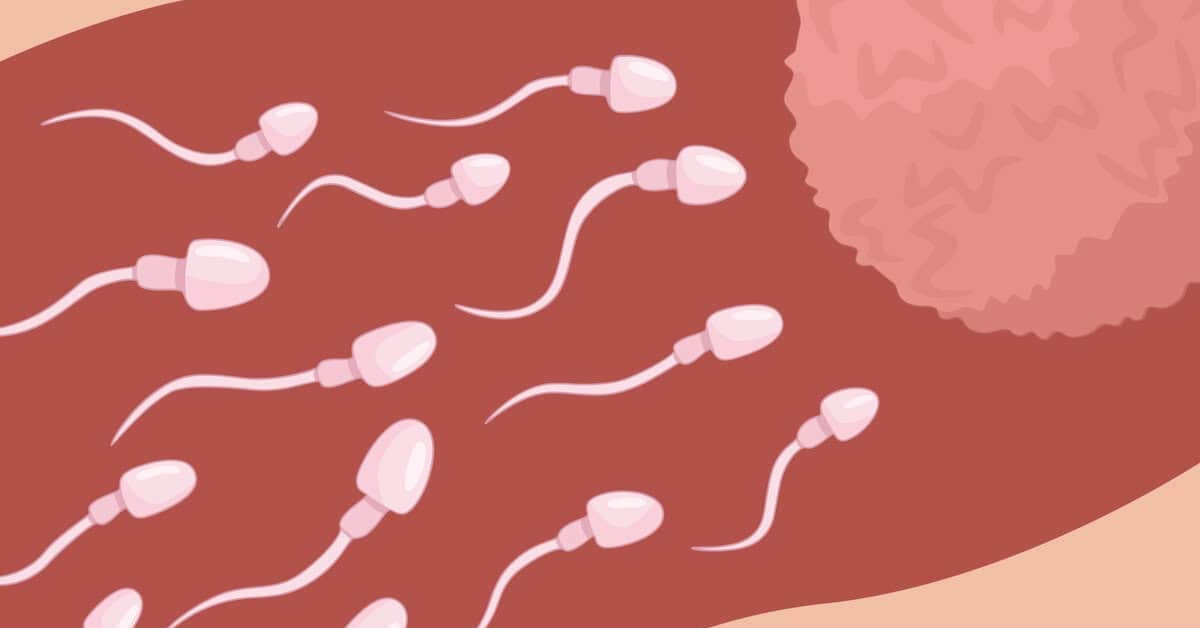
Hormonal signalling is essential for sperm production. This is particularly important because exogenous testosterone therapy can suppress spermatogenesis. The AUA advises discussing the potential impact of testosterone treatment on future fertility.
Read : Male Hypogonadism : Symptoms & Treatment (Doctors Review)
Understanding Hormone Imbalance in Men
Several factors can disturb male hormonal health:
| Factor | Possible hormonal effect |
|---|---|
| Obesity & abdominal fat | Can contribute to functional hypogonadism |
| Type 2 diabetes | Associated with testosterone deficiency |
| Poor sleep | Can negatively affect endocrine and sexual health |
| Pituitary or testicular disease | May impair testosterone production |
| Certain medicines | Can alter testosterone or prolactin |
| Ageing | Testosterone may decline, but symptoms and laboratory findings must be assessed together |
Malaysia's NHMS 2023 reported 54.4% of adults were overweight or obese, while diabetes affected 15.6% of Malaysian adults. These figures do not represent hormone imbalance prevalence, but they highlight two major metabolic conditions relevant to men's hormonal health.
The Malaysian Ministry of Health's Type 2 Diabetes CPG also recognises obesity and metabolic abnormalities as important clinical issues and recommends lifestyle intervention and weight management as part of diabetes care.
How Is Hormone Imbalance Diagnosed?
Good hormone care starts with clinical assessment, not simply ordering a large hormone panel.
For suspected testosterone deficiency, the EAU recommends measuring total testosterone in the morning, preferably between 07:00 and 10:00, in a fasting state, using a reliable assay. A low result should be repeated on another occasion before testosterone therapy is started.
Depending on the presentation, doctors may assess:
- Total testosterone
- Free testosterone when indicated
- SHBG
- LH and FSH
- Prolactin
- Thyroid function
- Glucose and metabolic markers
- Haematocrit and other safety parameters
The AUA similarly recommends using symptoms together with biochemical evidence rather than diagnosing testosterone deficiency from a single laboratory result.
Read : Peptides for Muscle Growth in Malaysia (Doctor Review)
Treatment & Solution at SuamiSihat Clinic
Treatment depends on what is causing the hormone problem.
At SuamiSihat Clinic, hormone-related care includes medical consultation, assessment of symptoms and medical history, laboratory evaluation and medically supervised treatment where appropriate.
The clinic's Hormone Replacement service describes testosterone-based options including long-acting injections and topical testosterone, together with follow-up monitoring.
Hormone Replacement Therapy
Testosterone replacement therapy (TRT) is treatment using prescribed testosterone to restore testosterone levels in appropriately diagnosed men.
Guidelines support testosterone therapy for men with confirmed symptomatic testosterone deficiency, while emphasising monitoring and discussion of risks and benefits.
TRT is not appropriate for every man with tiredness, ageing symptoms or sexual difficulties. In particular, men actively planning fertility should discuss alternatives with a doctor because exogenous testosterone can suppress sperm production.
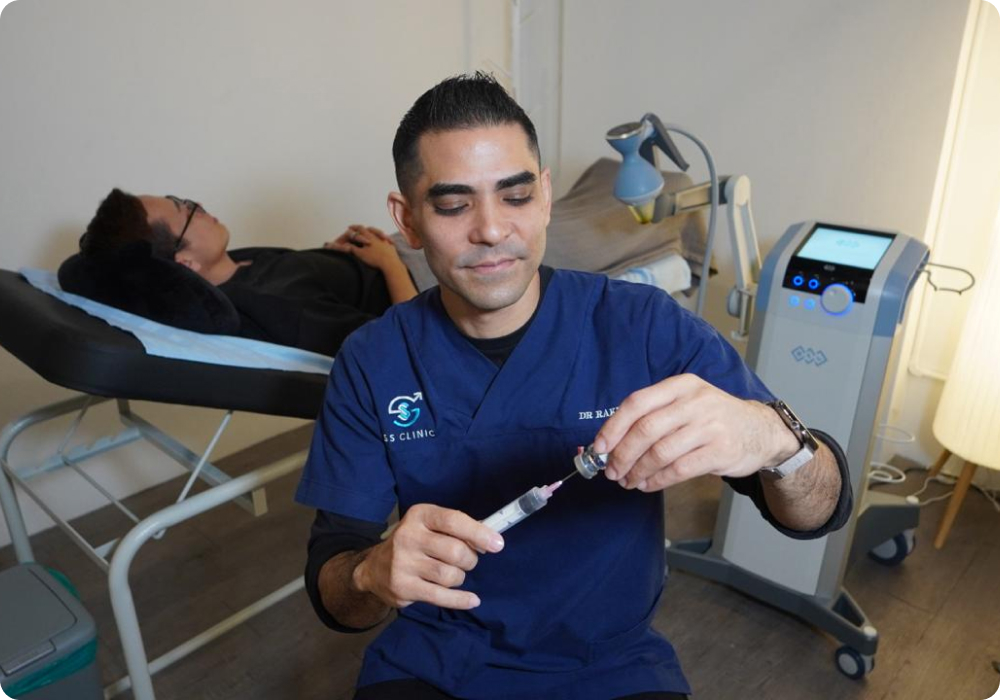
Treatment Hightlight : Hormone Replacement Treatment | See : All Treatments
Expected Results
When the correct underlying problem is identified and treated, men may experience improvement in symptoms such as libido, sexual function, energy or body composition.
However, treatment outcomes are individual. Testosterone treatment should not be marketed as a universal solution for ageing, fatigue or “male vitality”. The AUA states that evidence for improvements in some outcomes, including cognition, energy and quality of life, remains inconclusive.
“Hormone imbalance is not simply about having a low testosterone number. I look at the symptoms, medical history, fertility plans and blood results together. Once we know the real cause, we can choose the treatment that makes clinical sense for that man.”
— Dr. Rakesh Subbiah, Head Doctor & Wellness, SuamiSihat Clinic
Professor Dr Nor Azmi Kamaruddin, Senior Consultant Endocrinologist and specialist in reproductive endocrinology at the National Heart Institute (IJN), has contributed to Malaysian clinical guidance on endocrine and metabolic disease. He was listed as a senior consultant endocrinologist in the Ministry of Health Malaysia's CPG development group for Type 2 Diabetes Mellitus.
His area of expertise is relevant because metabolic disease, obesity and diabetes are closely connected with endocrine health. Malaysian Ministry of Health guidance therefore places strong emphasis on controlling weight, glucose and cardiovascular risk alongside medical treatment.
Read : Do You Need Weight Loss Pills? Deep Explanation (2026)
When To Seek A Doctor?
You should consider a medical assessment when low libido, erectile difficulties, fatigue or other symptoms are persistent, worsening or affecting your relationship and quality of life.
Assessment becomes especially important when symptoms occur alongside diabetes, obesity, hypertension, infertility, testicular problems, pituitary symptoms or long-term medication use.
Do not delay assessment simply because the symptoms seem related to ageing. Untreated endocrine or metabolic disease may continue to affect sexual function, fertility, bone health and general health.
Conversely, self-starting testosterone or “testosterone boosters” can be harmful or inappropriate, particularly when fertility is important. Proper diagnosis and monitoring are central recommendations in major endocrine and urological guidelines.
Is hormone imbalance common among Malaysian men?
There is no single national statistic measuring all forms of hormone imbalance among Malaysian men. However, Malaysia has substantial metabolic risk factors such as diabetes, overweight/obesity and abdominal obesity, all of which can be clinically relevant to male endocrine health.
Does low testosterone always cause erectile dysfunction?
No. Testosterone deficiency can contribute to low libido and sexual dysfunction, but ED can also result from vascular, metabolic, neurological and psychological causes. A proper assessment is needed.
Can hormone imbalance affect male fertility in Malaysia?
Yes, depending on the underlying endocrine problem. More importantly, men planning children should tell their doctor before starting testosterone because external testosterone may suppress sperm production.
Should Malaysian men test testosterone every year after age 30?
Routine population-wide screening is not recommended simply because of age. Testing is more appropriate when symptoms, clinical risk factors or relevant medical conditions indicate a need for assessment.
Can I take testosterone if I am trying to have a baby?
Usually, this requires careful specialist discussion. Exogenous testosterone can suppress the hormonal signals needed for sperm production, so fertility-preserving approaches may be more appropriate for some men.
Conclusion
Hormone imbalance in men is not one disease and cannot be diagnosed from symptoms alone. Low libido, ED, fatigue, mood changes and fertility problems can be related to testosterone deficiency, but they can also reflect metabolic, psychological, medication-related or other endocrine conditions.
The safest approach is evidence-based assessment: understand the symptoms, identify the underlying cause, confirm abnormal hormone levels appropriately and monitor treatment carefully.
For men with genuine testosterone deficiency, medically supervised hormone replacement can be an option. For others, treating obesity, diabetes, sleep problems, medication effects or another underlying condition may be more appropriate.
Seeing a qualified doctor early can help turn a vague concern about “hormone imbalance” into a clear clinical diagnosis and a personalised treatment plan.
References :
- Kementerian Kesihatan Malaysia, Clinical Practice Guidelines: Management of Type 2 Diabetes Mellitus (6th Edition), 31-12-2020. Akses: https://www.moh.gov.my/moh/resources/Penerbitan/CPG/Endocrine/CPG_T2DM_6th_Edition_2020_13042021.pdf
- Kementerian Kesihatan Malaysia, National Health and Morbidity Survey 2023: Non-Communicable Diseases & Healthcare Demand – Fact Sheet, 2024. Akses: https://iku.gov.my/nhms-2023
- European Association of Urology (EAU), Male Hypogonadism – Sexual and Reproductive Health Guidelines, current guideline accessed 26-08-2026. Akses: https://uroweb.org/guidelines/sexual-and-reproductive-health/chapter/male-hypogonadism
- American Urological Association (AUA), Evaluation and Management of Testosterone Deficiency: AUA Guideline, validity confirmed 2024. Akses: https://www.auanet.org/documents/Guidelines/PDF/Testosterone-Deficiency-JU.pdf
- The Journal of Clinical Endocrinology & Metabolism, Testosterone Therapy in Men With Hypogonadism: An Endocrine Society Clinical Practice Guideline, 17-03-2018. Akses: https://academic.oup.com/jcem/article/103/5/1715/4939465
This article had been written & reviewed by:
Dr. Rakesh A/L Subbiah
Bachelor of Medicine & Bachelor of Surgery and Obstetrics, National University of Ireland. Dr. Rakesh Subbiah is the Head Doctors & Wellness at SuamiSihat Clinic. Registered under Malaysia Medical Council (MMC) with number 51375.