
- Peptides are a broad class of amino-acid chains with different biological effects
- Some can influence pathways involving growth hormone, appetite or metabolism
- Assess the specific peptide, evidence, medical indication, safety & regulatory status
- Discuss the underlying health goal with a doctor before considering peptide treatment
- Online marketing often groups very different peptides together as “muscle-building” treatments
Understanding Peptides in Clinical Overview
A peptide is a chain of amino acids linked by peptide bonds. In humans, peptides and peptide-like signalling molecules participate in many physiological processes, including hormone regulation, metabolism, appetite and tissue signalling.
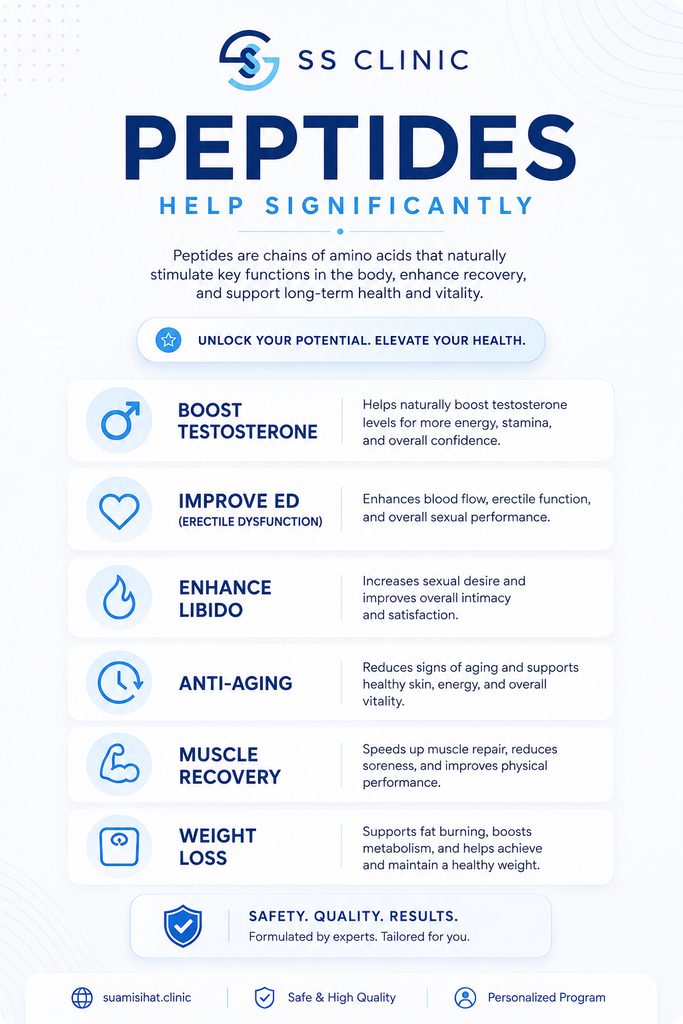
The important point for men considering “peptide therapy” is that there is no single peptide effect. For example:
- Growth hormone-releasing peptides/secretagogues can stimulate growth hormone secretion.
- GLP-1-based medicines act on metabolic pathways involved in glucose regulation and appetite.
- Other peptides remain investigational or have limited human evidence for the claims made online.
Research published in the Journal of Clinical Endocrinology & Metabolism demonstrates that growth hormone secretagogues can increase growth hormone secretion in humans.
Read : Sildenafil Pills for Erectile Dysfunction (Doctor Guide)
That biological effect, however, is not equivalent to proving better muscle performance, longer life, improved erections or higher testosterone in healthy men. This distinction is central to understanding peptides.
| Claim | What the science actually asks |
|---|---|
| “Peptide increases GH” | Does the compound alter growth-hormone secretion? |
| “Peptide builds muscle” | Does it increase clinically meaningful muscle mass and strength? |
| “Peptide boosts testosterone” | Does it reliably increase testosterone and improve symptoms in men with confirmed deficiency? |
| “Peptide improves ED” | Has it been shown to improve erectile function in controlled human studies? |
| “Peptide is anti-aging” | Does it improve meaningful health outcomes rather than only biomarkers? |
| “Peptide burns fat” | Is there evidence of clinically meaningful fat/weight reduction for that specific compound? |
Why Peptides Becoming Popular in Malaysia?
Peptides have become increasingly visible in men's-health conversations because the word is now associated with several different goals:
- muscle growth;
- body-fat reduction;
- recovery;
- longevity;
- sexual performance;
- hormone optimisation;
- and cosmetic or “anti-aging” treatments.

Read : Andropause: A Comprehensive Guide for Men in Malaysia
The problem is that these goals are often grouped together even though the underlying biology is completely different. For example, increasing growth hormone secretion is not the same as increasing testosterone.
Likewise, losing body weight through a GLP-1-based medicine is not the same as taking a growth-hormone secretagogue for muscle gain.
A 2024 Journal of Clinical Endocrinology & Metabolism trial of the ghrelin receptor agonist anamorelin illustrates why context matters: researchers studied adults with osteosarcopenia, a clinical condition involving low muscle mass and reduced physical function.
The intervention increased certain measures of muscle mass, but the study population and clinical purpose were very different from a healthy young man seeking bodybuilding enhancement.
Read : Penile Regenerative Therapy – Natural Recovery (LONG TERM)
Why Are Men Looking for Peptides?
As of today, the major reason why men wants peptides is not itself a medical diagnosis. The underlying reason usually falls into several broad groups.
1. Low muscle mass or poor physical performance
A man may be concerned about:
- declining muscle mass;
- slow recovery;
- reduced gym performance;
- or age-related changes in body composition.
These concerns can sometimes warrant an assessment of nutrition, resistance training, sleep, medications, endocrine health and chronic disease before considering any pharmaceutical intervention.
2. Suspected low testosterone
Some men interpret:
- tiredness;
- reduced libido;
- weaker erections;
- reduced muscle mass
As proof that testosterone is low. That is not enough for diagnosis.
KKM materials define male hypogonadism as a clinical problem requiring compatible clinical features and biochemical confirmation rather than symptoms alone.
The AUA also advises that exogenous testosterone should not be prescribed to men who are trying to preserve current or future fertility because testosterone therapy can suppress gonadotropins and sperm production.
3. Body-fat concerns
Some men search for peptides because they want faster fat loss.
The crucial question is whether the specific peptide has a validated indication for weight management, rather than simply having a theoretical effect on metabolism.
4. “Anti-aging” expectations
Men may be attracted to peptides because of claims involving:
- longevity;
- skin quality;
- energy;
- recovery;
- sleep;
- or biological age.
These claims should be treated carefully because changing a biomarker does not automatically mean extending healthy lifespan.
What Does Man Experience Before Seeking Peptides?
There are no universal “peptide symptoms” because peptide therapy is not a single diagnosis. Usually, the symptoms belong to the underlying problem.
Possible symptoms associated with low testosterone
- reduced sexual desire;
- reduced spontaneous or morning erections;
- fatigue;
- reduced muscle mass;
- reduced strength;
- depressed mood.
Possible symptoms associated with ED
Erectile dysfunction (ED) means difficulty obtaining or maintaining an erection sufficient for satisfactory sexual activity. A man may notice:
- erections becoming less firm;
- difficulty maintaining rigidity;
- more frequent failed sexual attempts;
- reduced confidence during sex.
Possible body-composition concerns
- increasing waist circumference;
- reduced lean mass;
- difficulty maintaining muscle during weight loss;
- reduced physical performance.
These symptoms should be evaluated clinically rather than treated as automatic indications for peptide therapy.
Science Between Peptides & Testosterone
Can peptides boost testosterone?
This is one of the most misunderstood claims.
Some peptide or peptide-related compounds can influence the hypothalamic-pituitary-gonadal (HPG) axis or growth-hormone pathways, but that does not mean they consistently raise testosterone in clinically meaningful ways.
Growth hormone secretagogues primarily act on growth hormone secretion, not as direct testosterone replacement.
Research in JCEM shows interactions between sex steroids and growth-hormone secretagogue responses, demonstrating that the endocrine systems are interconnected.
But an effect on GH secretion is not evidence that a peptide is an established treatment for testosterone deficiency.
What actually confirms testosterone deficiency?
A clinician should not diagnose low testosterone based only on:
“I feel tired.”
or
“My gym performance has dropped.”
KKM guidance and AUA recommendations emphasise clinical assessment alongside biochemical testing. Testosterone measurements are generally obtained in the morning and interpreted in clinical context.
Important for men planning children
This is particularly relevant in Malaysia, where some men searching for “hormone optimisation” are simultaneously trying to conceive.
Exogenous testosterone can suppress sperm production and may lead to oligospermia or azoospermia.
Therefore, a man who wants to preserve fertility should not assume testosterone therapy is a harmless shortcut to better muscle mass or libido. AUA/ASRM specifically advises against exogenous testosterone in men interested in current or future fertility.
Bottom line: “peptide = testosterone booster” is an oversimplification and should not be presented as an established clinical fact.
Can Peptides Improve Erectile Dysfunction?
The evidence is not strong enough to claim this generally
ED is primarily a problem of erectile function, often involving vascular, metabolic, neurological, psychological or medication-related factors.
Current major urological guidance places PDE5 inhibitors such as sildenafil and tadalafil among the standard first-line pharmacological options for ED. Peptide therapy is not established as a universal first-line treatment for ED.
A man with ED therefore should not assume that a “peptide stack” is a superior alternative to evidence-based ED treatment.
Why could a peptide appear to help?
If a compound changes:
- body weight;
- metabolic health;
- endocrine signalling;
- or another underlying risk factor,
Sexual function may change indirectly. But that is different from proving that the peptide itself is a direct ED treatment.
What should be assessed instead?
A doctor may evaluate:
- duration and pattern of ED;
- morning erections;
- libido;
- diabetes;
- blood pressure;
- cholesterol;
- obesity;
- medications;
- cardiovascular risk;
- testosterone when indicated.
The Malaysian Ministry of Health's 2025 ED guideline specifically emphasises broader medical assessment because ED can coexist with cardiometabolic disease.
Can Peptides Enhance Libido?
Libido and erection are not the same thing
Libido means sexual desire. A man can:
- have high libido but poor erections;
- have normal erections but low libido;
- or experience both.
A peptide that affects growth hormone, appetite or body composition should not automatically be described as a libido treatment. Low libido may be associated with:
- testosterone deficiency;
- depression;
- chronic illness;
- medication effects;
- sleep problems;
- relationship difficulties;
- stress.
The right treatment therefore depends on the cause.
Peptides for Anti-Aging
This is one of the areas where marketing has moved faster than clinical evidence.
The biological theory
Some peptide-related interventions affect:
- growth hormone;
- IGF-1;
- appetite;
- insulin sensitivity;
- or cellular signalling.
Because some of these systems change with age, it is tempting to conclude:
“Restoring the pathway = reversing aging.”
That conclusion is not established.
Research in older adults demonstrates that growth-hormone secretagogues can increase GH and IGF-1. In one controlled study, MK-677 increased GH and IGF-1, but also increased fasting glucose.
Other work showed that GH can increase lean mass and strength in selected older adults without demonstrating restoration of youthful muscle protein synthesis. These findings illustrate the difference between changing a biomarker and proving an anti-aging benefit.
What does this mean clinically?
There is insufficient justification to market investigational peptide regimens as proven anti-aging therapy for otherwise healthy men.
A clinician should be particularly cautious when the promise includes:
- “reverse your biological age”;
- “live longer”;
- “anti-aging hormone reset”;
- or guaranteed rejuvenation.
Peptides for Muscle Recovery
Recovery after resistance exercise involves:
- muscle-protein synthesis;
- inflammation;
- connective-tissue remodelling;
- neuromuscular recovery;
- sleep;
- nutrition;
- and training load.
Some peptide-related compounds influence growth-hormone pathways, which can affect body composition and tissue biology. Experimental studies have demonstrated that peptide secretagogues can stimulate GH secretion in humans. But:
increased GH ≠ proven faster recovery after normal gym training.
The evidence becomes especially weak when online sellers make broad claims about rapid healing of:
- muscle tears;
- tendon injuries;
- ligaments;
- joints;
- or sports injuries.
A biological mechanism is not the same as an approved clinical indication.
Peptides and Muscle Growth
Can peptides increase muscle mass?
Some interventions that stimulate GH signalling can alter body composition.
For example, long-term trials involving growth hormone secretagogues have demonstrated increases in certain measures of lean body mass. However, the results for strength and physical function are much less straightforward.
This distinction matters.
Lean body mass is not identical to contractile muscle tissue. Changes in body water or other lean compartments can contribute to a measured increase. A wise man should therefore ask:
“Did this treatment make my DXA lean mass higher?”
and also:
“Did it improve functional strength, physical performance and meaningful health outcomes?”
These are not the same endpoint.
Peptides and Weight Loss
Some peptide-based medicines can help with weight management
This is the area where the term “peptide” can be especially misleading. Certain peptide-based medicines, particularly GLP-1-related drugs, have established medical roles in metabolic disease and weight management.
But a GLP-1 medicine should not be placed in the same category as an investigational growth-hormone peptide simply because both are called “peptides”.
Weight loss should also be interpreted clinically
A doctor should consider:
- body mass index;
- waist circumference;
- diabetes status;
- blood pressure;
- lipid profile;
- diet;
- physical activity;
- medication history;
- sleep;
- and eating behaviour.
For a man whose only goal is visible abdominal definition, an unapproved peptide may expose him to pharmaceutical risk without providing an appropriate risk-benefit balance.
Benefits of Peptides: What Is Actually Established?
| Claimed Benefit | Evidence Assessment |
| Boost testosterone | Not established for peptides as a class |
| Improve ED | Not an established general indication |
| Enhance libido | Depends on underlying cause; not established generally |
| Anti-aging | Insufficient evidence for routine anti-aging use |
| Muscle recovery | Interesting biological mechanisms; clinical evidence varies and remains limited for many products |
| Increase lean mass | Possible with some GH-pathway agents, but strength/function benefits are not consistently demonstrated |
| Weight loss | Established for selected peptide-based medicines with appropriate indications; not for “peptides” generally |
This is the most important clinical distinction in this article:
A proven peptide medicine should not be used as evidence for every peptide sold online.
Risks and Safety Concerns
Potential risks depend entirely on the peptide.
For GH-axis secretagogues, studies have documented endocrine and metabolic effects. For example, MK-677 increased fasting glucose in a controlled study, demonstrating why raising GH/IGF-1 is not biologically neutral. Potential concerns with unregulated injectable products can include:
- inaccurate dosing;
- contamination;
- sterility problems;
- unexpected active ingredients;
- drug interactions;
- endocrine disturbance;
- glucose abnormalities;
- fluid retention;
- and lack of reliable long-term safety data.
There is also a separate issue with product quality. If a product is not manufactured and controlled as an approved medicine, the label may not accurately reflect its contents.
Peptides in Malaysia : Regulatory Reality
Malaysia's regulatory framework matters because the phrase “available online” does not mean “approved for human use.”
The Ministry of Health states that pharmaceutical products must be registered with the Drug Control Authority (DCA) before being marketed in Malaysia. Registered medicines carry an appropriate registration number beginning with MAL and can be checked through NPRA's registered-product search.
KKM also states that a medicine without a MAL registration number is an unregistered product and cannot legally be sold or advertised in Malaysia. For online purchases, KKM specifically advises consumers to:
- verify registration;
- avoid medicines sold through social media or overseas websites;
- and understand that prescription products cannot simply be sold to consumers through the internet.
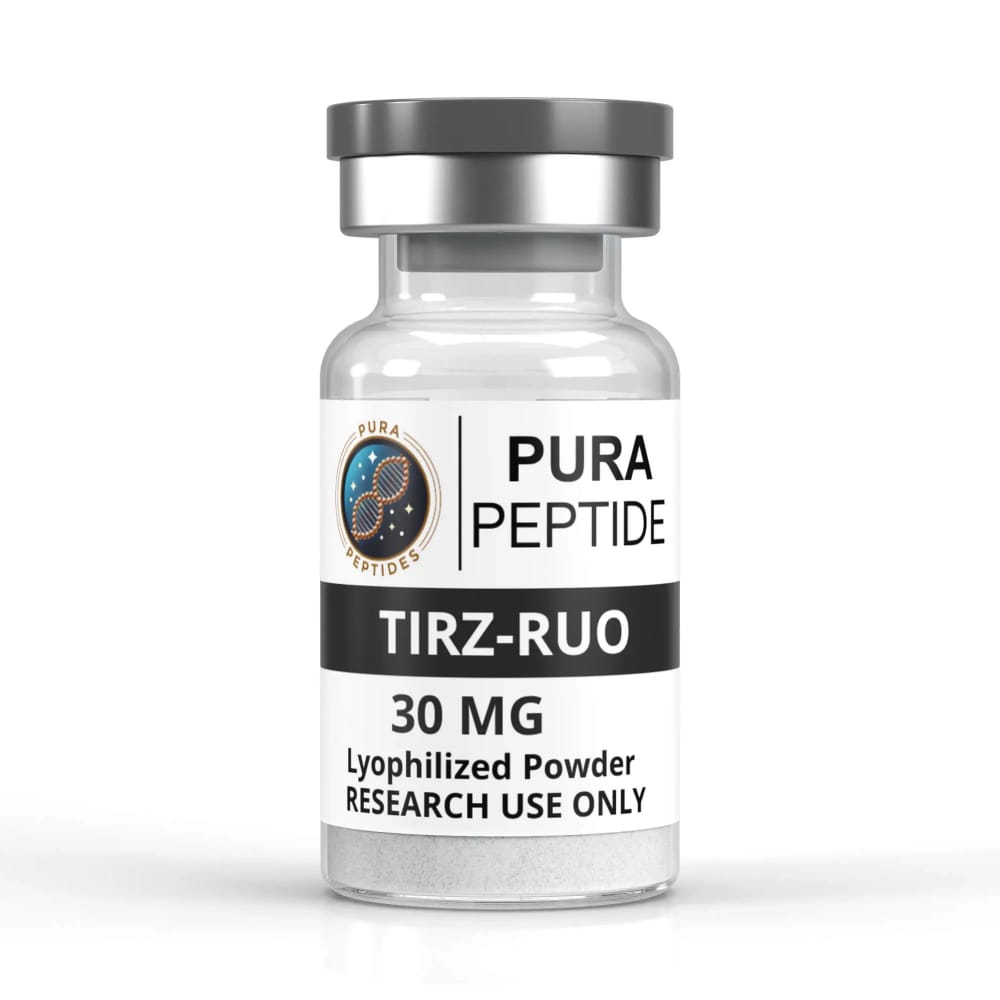
What about “research peptides”?
A label such as:
“For research use only”
does not transform a product into a clinically established treatment for human use. The regulatory and clinical question is not whether the seller calls it a peptide. It is:
Is this specific product authorised, appropriately manufactured, medically indicated and suitable for human use?
Clinical Procedure at SuamiSihat Clinic
For a man asking about peptides at a men's-health clinic, the safer clinical pathway is:
1. Identify the actual goal
For example:
- muscle gain;
- fat loss;
- low libido;
- ED;
- suspected low testosterone;
- recovery;
- or an anti-aging concern.
2. Assess the underlying condition
The doctor should distinguish between:
- confirmed endocrine disease;
- cardiometabolic disease;
- sexual dysfunction;
- body-composition concerns;
- or a performance goal in an otherwise healthy man.
3. Review medication and fertility plans
This is particularly important for men trying to conceive.
Exogenous testosterone, for example, can suppress sperm production, so fertility plans must be considered before hormone treatment.
4. Decide whether a peptide has a legitimate clinical role
The decision should depend on:
indication + evidence + regulatory status + patient-specific risk + expected benefit.
5. Monitor the outcome
A responsible treatment plan should have measurable endpoints.
For example:
| Goal | Better clinical endpoint |
| Muscle | Strength, performance, body composition |
| Fat loss | Weight, waist circumference, metabolic markers |
| Low testosterone | Symptoms + appropriately timed testosterone testing |
| ED | Validated erectile-function assessment and sexual function |
| Libido | Sexual desire assessment and underlying cause |
| Recovery | Function and recovery time rather than subjective “feeling” alone |
Why Many Malaysian Are Looking Into Peptides?
There are several reasons the subject has become attractive:
Social-media body ideals
Men are increasingly exposed to “perfect physique” content where pharmaceutical interventions may be presented as routine optimisation.
Desire for faster results
Resistance training, nutrition and sleep require months of consistency. Peptide marketing can create the impression that biological shortcuts exist.
Stigma around men’s health
Some men feel more comfortable buying something online than discussing low libido, ED or body-image concerns with a doctor.
Confusion between different peptide medicines
Because GLP-1 medicines are now well known, consumers may incorrectly assume that all peptides are equally well established.
The medical response should be education rather than dismissal.
Read : IV Drip Therapy: Boost Energy & Wellness in 30 Days (Proven)
Expert Review
Malaysia's 2025 Clinical Practice Guideline on Management of Erectile Dysfunction was developed by a multidisciplinary group including urologists, a cardiologist, psychiatrist, family physicians, endocrinologist, rehabilitation physician and health-technology-assessment/public-health specialists.
The development-group chair was Dr. Arun Arunasalam Poraviappan, Consultant Urologist, Thomson Hospital, Kota Damansara.
The review committee was chaired by Dato’ Dr. Rohan Malek, Consultant Urologist & Renal Transplant Surgeon, Hospital Pakar Damansara 2, Kuala Lumpur.
Other named Malaysian experts involved in the guideline include:
- Dr. Ahmad Nazran Fadzli — Senior Lecturer & Consultant Urologist, Faculty of Medicine, Universiti Malaya, Kuala Lumpur.
- Professor Dr. Zulkifli Md Zainuddin — Senior Lecturer & Consultant Urologist, Faculty of Medicine, Universiti Kebangsaan Malaysia, Kuala Lumpur.
- Datuk Dr. Zanariah Hussein — Senior Consultant Endocrinologist, Hospital Putrajaya.
- Professor Dr. Shaiful Bahari Ismail — Senior Professor & Consultant Family Medicine, School of Medical Science, Universiti Sains Malaysia, Kelantan.
- Associate Professor Dr. Nora Mat Zin — Senior Lecturer & Consultant Psychiatrist, Kulliyyah of Medicine, International Islamic University Malaysia.
These experts are relevant because peptide-related “optimization” questions often overlap with exactly the clinical problems they address: endocrine health, sexual function, cardiovascular risk, mental health, reproductive health and general men's health.
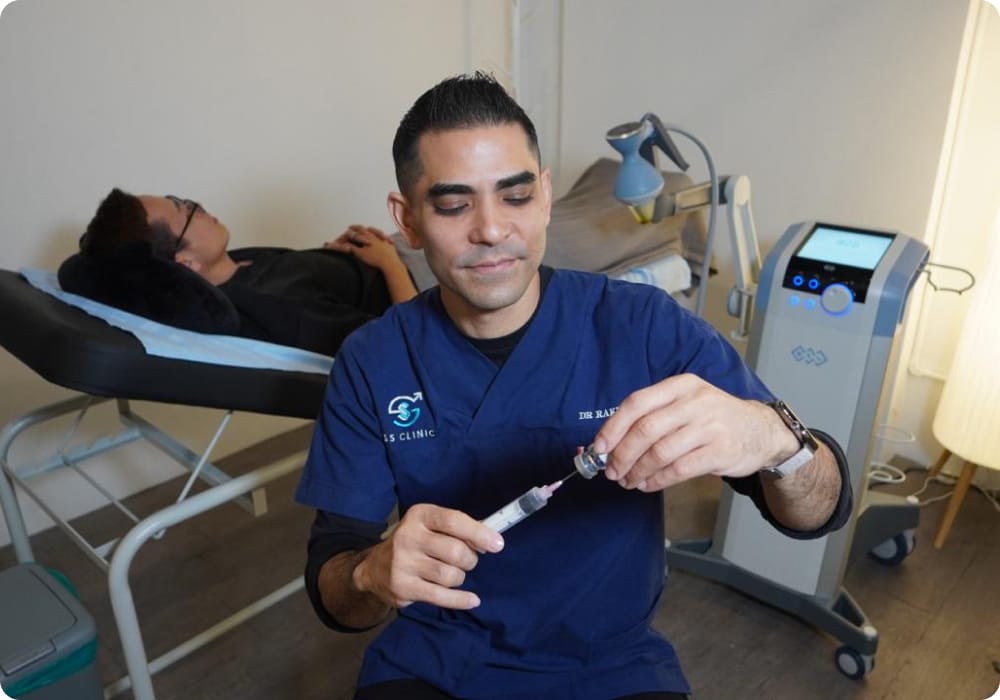
“The word peptide can sound very advanced and highly medical, but it does not tell us whether a treatment is proven, approved or appropriate for a particular man. When a patient asks me about peptides, I first want to know what problem we are trying to solve. Muscle loss, erectile dysfunction, low testosterone, weight gain and aging are different medical questions, and they should not all be treated with the same product.”
Dr. Rakesh Subbiah
Head Doctor, SuamiSihat Clinic
When Should You See a Doctor?
Do not start with a peptide if the underlying condition has not been identified. Repeated erectile difficulty can be associated with vascular and metabolic disease and warrants assessment rather than indefinite self-treatment. KKM identifies ED as potentially associated with broader health conditions.
Also, when you have symptoms of possible testosterone deficiency. If low libido, reduced morning erections, fatigue and loss of muscle are occurring together, proper testosterone assessment may be appropriate.
Let say you are trying to conceive, tell the doctor before starting any testosterone or hormone-related treatment. This is particularly important because exogenous testosterone can suppress spermatogenesis.
Not to forget, your weight is increasing despite lifestyle efforts. Rather than automatically selecting a “fat-burning peptide”, a clinician can determine whether obesity, metabolic disease, medication effects or sleep problems are contributing.
Last but not least, you want an anti-aging treatment. The doctor can separate evidence-based preventive health from treatments based mainly on biomarkers or marketing claims.
Read : How Shockwave Therapy Cure ED in Malaysia (2026 Edition)
What Happens If You Delay Assessment?
The main risk is not simply that a peptide “might not work”. The bigger issue is missing the condition that actually needs treatment. For example:
ED → ignored → hypertension/diabetes/cardiovascular risk remains undetected
or:
fatigue + low libido → assumed “low hormones” → self-medication → true cause remains unidentified
or:
fertility problem → testosterone started → sperm production falls
AUA/ASRM explicitly warns about the fertility consequences of exogenous testosterone.
In men's health, the correct sequence is therefore:
diagnosis → risk assessment → evidence-based treatment → monitoring.
Not:
internet trend → peptide stack → hope for the best.
Conclusion
Peptides are real biological tools, but “peptides” are not a single treatment. Some peptide-based medicines have strong clinical evidence and established indications.
Other compounds can stimulate growth hormone secretion but have much less convincing evidence for the broad promises commonly made online about:
- muscle growth;
- muscle recovery;
- testosterone;
- libido;
- erectile function;
- anti-aging;
- and fat loss.
That distinction protects patients from treating a marketing category as though it were a medical diagnosis.
For ED, low libido, suspected testosterone deficiency, fertility concerns, abnormal body composition or persistent recovery problems, assessment by a qualified men's-health or medical professional provides a safer starting point than self-prescribing an online peptide.
References :
- American Urological Association, Annual Review Course 2026 - Erectile Dysfunction, 07-06-2026
- Kementerian Kesihatan Malaysia, Primary & Secondary Prevention of Cardiovascular Disease 2017, 07-07-2017
- American Urological Association, Diagnosis and Treatment of Infertility in Men: AUA/ASRM Guideline, Amended 2024
- Kementerian Kesihatan Malaysia, Guidelines on Stem Cell and Cell-Based Research and Therapy, 3rd Edition, 2024
- The Journal of Clinical Endocrinology & Metabolism, Effects of an Oral Growth Hormone Secretagogue in Older Adults, 01-04-2009
- American Urological Association, Advanced Practice Provider Core Curriculum: Medical & Surgical Treatment of Erectile Dysfunction, 2023
- The Journal of Clinical Endocrinology & Metabolism, Growth Hormone (GH)-Releasing Peptide Stimulates GH Release in Normal Men and Acts Synergistically with GH-Releasing Hormone, 01-04-1990
This article has been reviewed and verified by:
Dr. Rakesh A/L Subbiah
Bachelor of Medicine & Bachelor of Surgery and Obstetrics, National University of Ireland. Dr. Rakesh Subbiah is the Head Doctor at the SuamiSihat Clinic network. He is a registered medical practitioner under the Malaysia Medical Council (MMC), No. 51375.